
Understanding Stress and How to Manage It
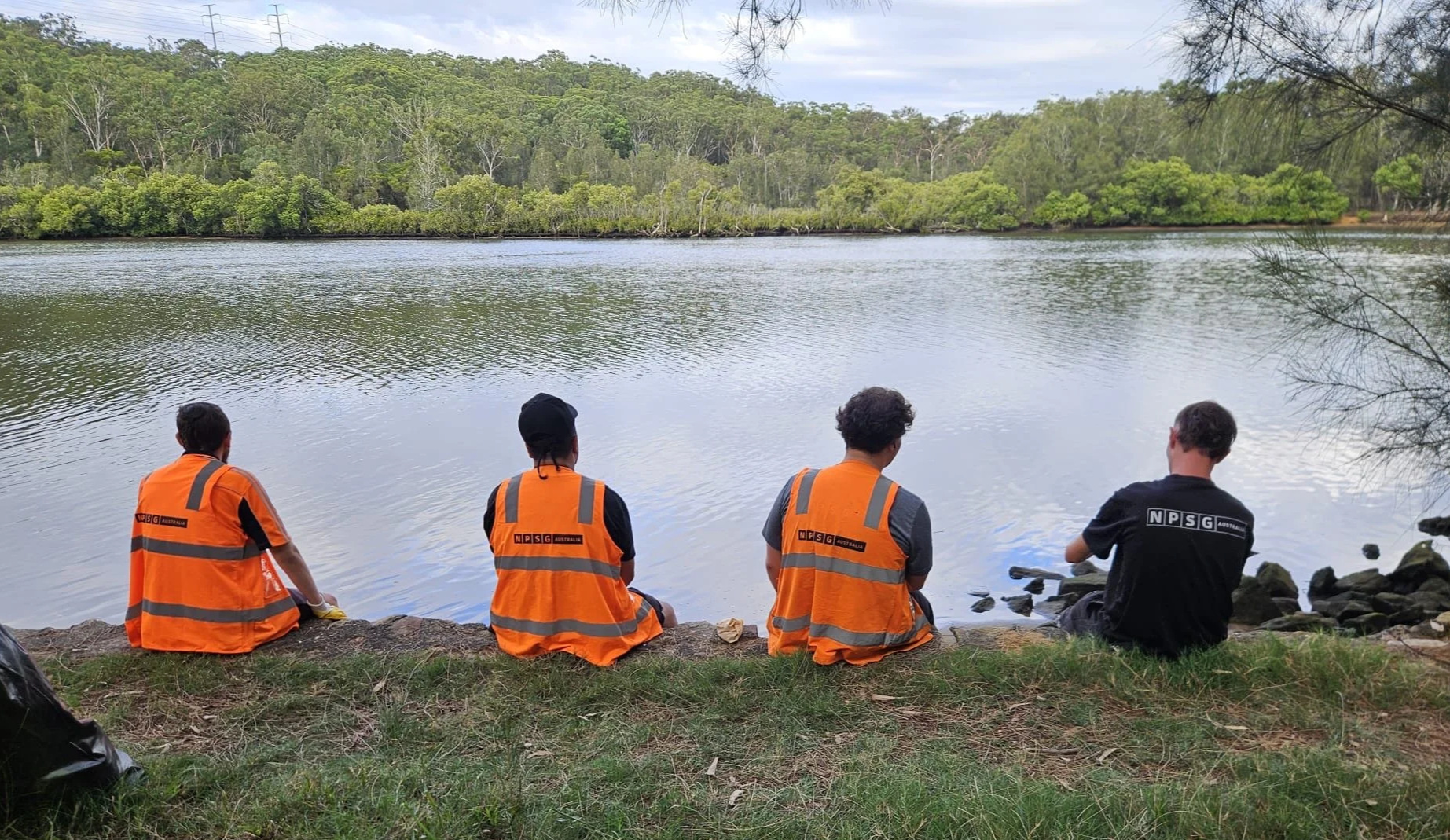
Photo: Taking time out in nature can help reduce stress levels.
As Stress Awareness Month unfolds this April, we see it as the perfect time to reflect on how stress affects our lives, both at work and at home, and how we can manage it more effectively.
Our HR Manager highlights the importance of recognising and addressing stress early. "Stress is something we all experience, but it’s crucial to understand when it becomes overwhelming and how to seek support," she says. "By creating an environment where stress is acknowledged and managed, we can help ensure our team stays both healthy and productive."
Stress isn’t always a bad thing. In fact, some stress can be helpful. We call this eustress, or "good stress." It’s the kind of stress that motivates us, helps us meet deadlines, or pushes us to perform at our best. However, when stress becomes chronic or overwhelming, it can turn into distress, or "bad stress."
Stress activates the body's "fight or flight" response, preparing us to react quickly to perceived threats. Prolonged stress, however, can have negative physical and emotional effects.
At NPSG Australia, we understand that managing stress is an ongoing process. That’s why we offer an Employee Assistance Programme to all our staff. The EAP provides confidential counselling services, helping employees deal with personal or work-related issues that may be contributing to stress.
Recognising when stress is becoming overwhelming is the first step. Once we’ve identified stress, here are some practical tips to manage it:
Take time to rest and recharge
Get a good night’s sleep at a regular time
Stay active and exercise
Practice mindfulness and self care
Set healthy boundaries
Carve out space for hobbies and downtime
Let go, remember you can’t control everything
When stress hits, take four deep breaths. Count to four with each inhale and each exhale and try concentrating on your breathing
Reach out for support