
Most organisations say safety comes first. The real test is what happens when a project is behind, costs are rising or a client wants the job finished. If someone stops work because something does not look right, are they supported, or are they made to feel like they are holding everyone up?
“People notice more than we think.”
We can tell people to work safely, but if we are constantly pushing them to finish faster, they will pay more attention to the pressure they feel than the words they hear. That is how safety culture is formed. Not through policies or statements, but through what happens on site every day.
When something goes wrong, it is easy to focus on the person involved. Did they follow the procedure? Did they make the wrong decision? Those questions matter, but so does the environment around them. Was the work properly planned? Were expectations realistic? Did people have enough time, the right equipment and the support they needed? Had shortcuts become accepted?
This does not remove personal responsibility. It means leaders must examine their own decisions with the same scrutiny they apply to others. Finding the mistake tells us what happened. Understanding what allowed it to happen gives us a better chance of preventing it from happening again.
The same is true when someone raises a concern. People do not decide whether it is safe to speak up based on what they are told. They decide based on what happens when they do. If concerns are ignored or treated as an inconvenience, people eventually stop raising them. A workplace with few reported issues may simply be one where people no longer believe speaking up will make a difference.
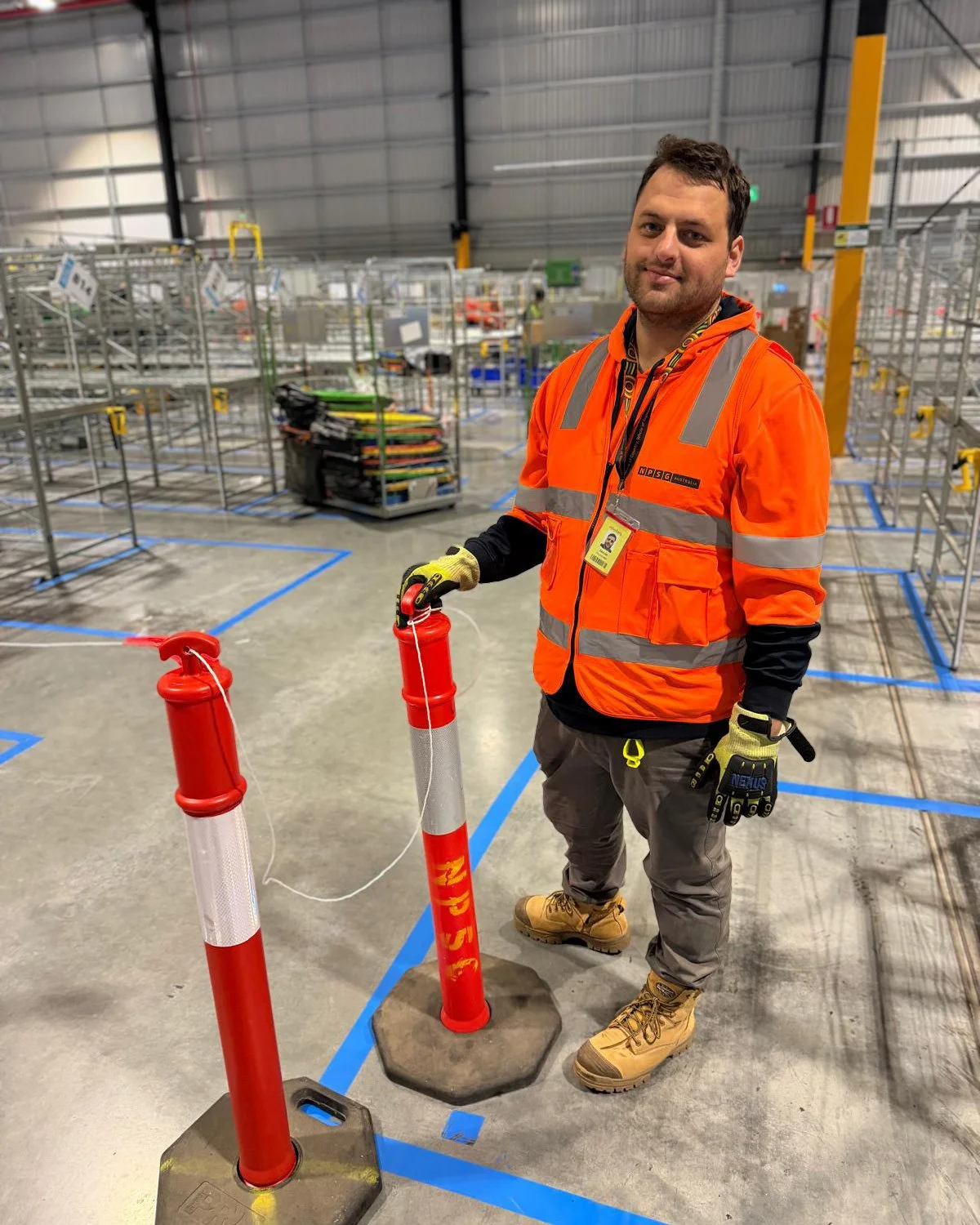
Photo: Jamie Hollander, NPSG Australia National Safety Compliance Manager
Jamie Hollander, National Safety Compliance Manager, believes understanding must come first.
“Safety starts with understanding. Leaders need to genuinely understand what staff experience on the ground, while staff also need to appreciate the challenges and responsibilities leaders face. We are all here for the same purpose: to do our best, build positive relationships and go home safely to enjoy life with our families and friends.
My goal is to help every team member become a better version of themselves each day. Not every day will be great and not every challenge will be easy, but a willingness to keep trying and supporting one another is what drives us forward.”
Leadership is tested when the right decision slows the work down, costs more or requires a difficult conversation. Sometimes the right call is inconvenient. It is still the right call.
Safety culture does not need another slogan. It needs leaders who listen, act and follow through. The next time a deadline is tight or someone raises a concern that slows things down, pay attention to what happens next. That is when people discover what an organisation truly values.
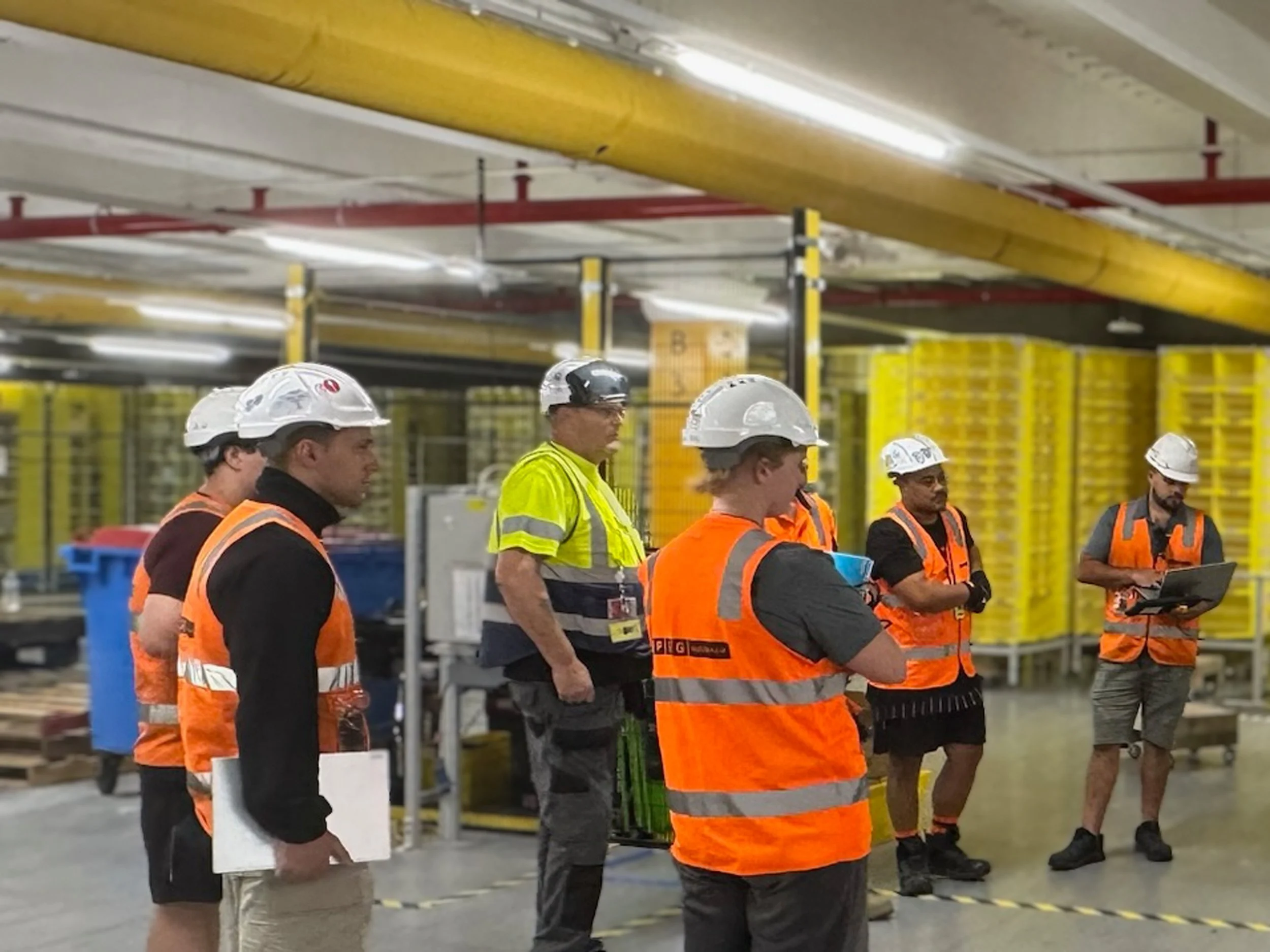
Photo: NPSG Australia staff at a site briefing