Asking R U OK? I’m here to hear.
Life doesn’t always follow the calendar. Stress, setbacks, and struggles don’t wait for special dates. That’s why R U OK? Day on Thursday 10 September is an important reminder, but the real power comes when we check in with each other any day.
At work, on site, or at home, the people around us carry stories we often don’t see. A mate who seems quieter than usual. A colleague pushing through a tough week. A family member juggling pressures they don’t talk about. Sometimes, all it takes is a simple question, “Are you OK?”, to open the door to connection.
Research shows that being asked “Are you OK?” regularly can boost feelings of wellbeing. And while many of us already do this instinctively, it’s easy to second guess ourselves, what if I say the wrong thing? But here’s the truth, nine in ten Australians say they feel grateful and supported when someone checks in. It doesn’t have to be perfect. What matters is showing up.
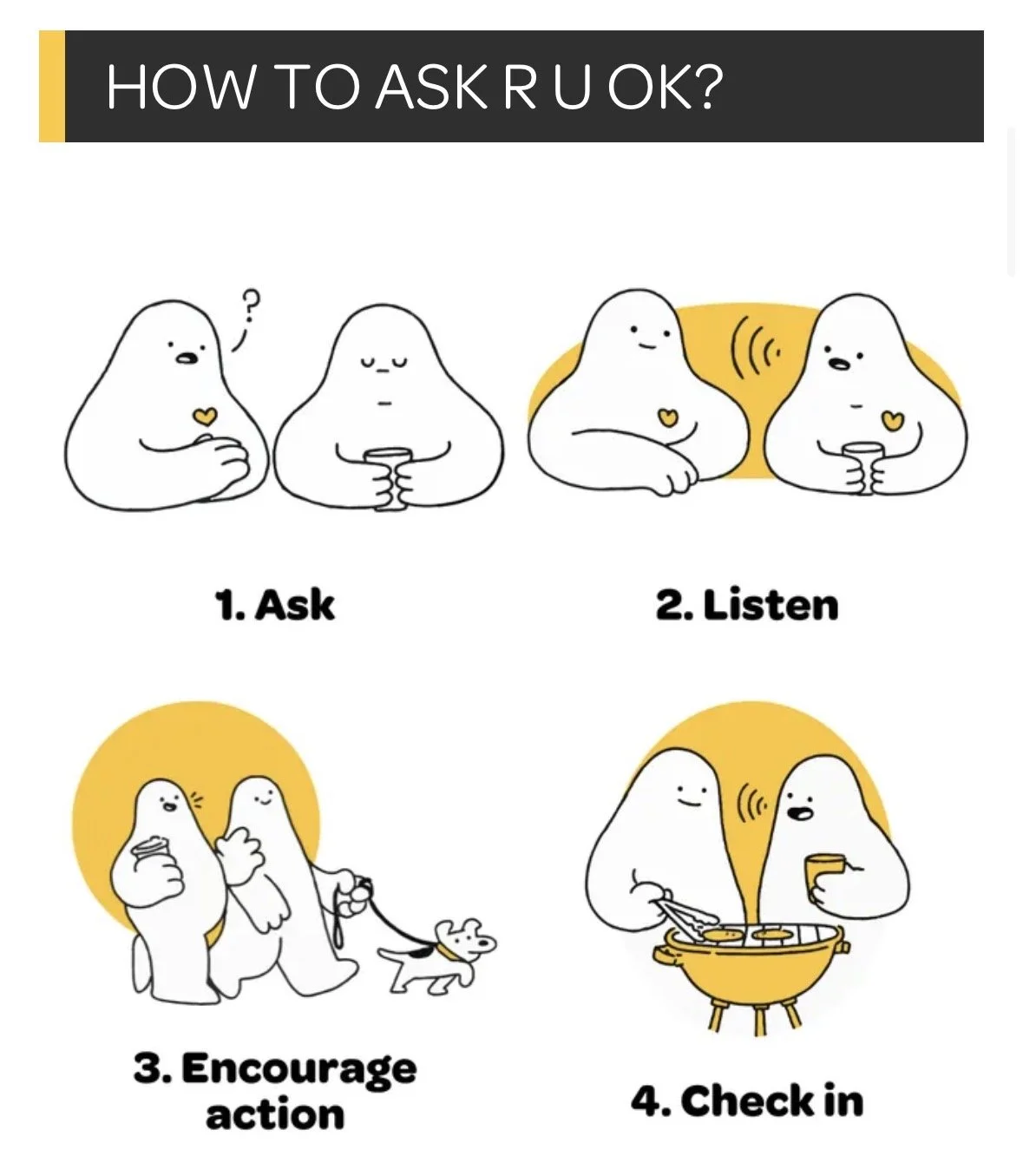
So how do we make it part of everyday life?
Notice the small changes in the people around you
Choose the right moment, when you have time to listen
Ask gently and genuinely
Be prepared to listen, not fix
These conversations aren’t about grand solutions, they’re about making space, showing care, and reminding someone they’re not alone. You might already be doing it without even realising, checking in with a “How’s your week going?” or “You’ve seemed a bit off, want to talk?”
Tracey Wester, Managing Director, shares, “Life can be busy, and sometimes it’s easy to miss the signs that someone might be struggling. That’s why I encourage everyone to take a moment to check in with the people around them. A genuine conversation can make all the difference. At NPSG Australia, looking out for one another is part of who we are, and every conversation matters.”
At NPSG Australia, we believe that people and safety go hand in hand. That includes looking out for each other’s wellbeing, not just physical safety on site. Alongside encouraging conversations, we also provide all staff with access to an Employee Assistance Program (EAP). This confidential counselling service supports both workplace and personal wellbeing, helping create a culture of care and a proactive approach to mental health.